
Plumbing Emergency Steps in Ottawa: What to Do in a Plumbing Emergency Before the Plumber Arrives
What Counts as a Plumbing Emergency?
Not every plumbing issue needs urgent attention, but some situations should never wait. In Ottawa homes, the following problems typically require immediate emergency plumbing support:
- A burst pipe or rapidly spreading leak
- A sewer backup or wastewater coming up through the drains
- An overflowing toilet that will not stop filling or draining
- Water leaking near electrical panels or major appliances
If water is actively spreading, pressure is increasing, or sanitation is compromised, it is time to call an emergency plumber.
When to Call an Emergency Plumber Right Away
You should contact emergency plumbing services immediately if:
- Water continues to flow after fixtures are shut off
- You cannot locate or operate the main water shut-off valve
- Sewage is backing up into sinks, tubs, or floor drains
- A frozen pipe has cracked or burst
- Water damage is spreading to walls, ceilings, or flooring
In these situations, delaying service can increase damage and the complexity of repairs. A 24/7 emergency plumber can help stabilize the situation quickly.
Emergency Plumbing Steps to Take Before the Plumber Arrives
If it is safe to do so, the steps below can help limit damage while you wait for professional assistance.
1) Shut Off the Main Water Valve
Locate and close the main water shutoff valve to prevent further water from entering the system. In many Ottawa homes, this valve is near the water meter or where the water line enters the house. Turning off the water supply is the most crucial step during an active leak or burst pipe.
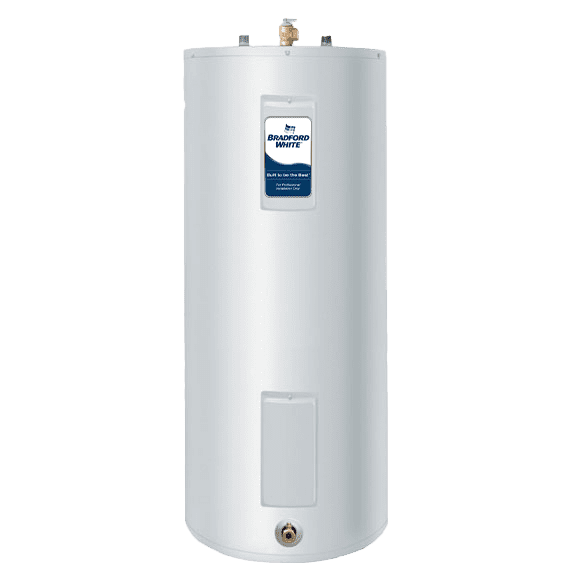
2) Turn Off the Water Heater (If Applicable)
If a plumbing emergency affects your hot water system or pressure drops, turning off the water heater can help prevent damage. Use the unit’s power switch or follow the manufacturer’s shutdown guidance. Avoid adjusting gas controls or electrical components beyond standard shut-off procedures.
3) Contain the Water
Use buckets, towels, or absorbent materials to contain and redirect water away from finished areas. Even small amounts of standing water can damage flooring, drywall, and insulation if left unattended.
4) Relieve Pressure Safely
After the main water supply is shut off, open a cold-water tap on the lowest level of the home to help relieve pressure and drain remaining water from the system. If conditions allow and it is safe, you may open a drain or spigot away from the affected area. In winter, do not force frozen exterior spigots.
5) Take Photos for Insurance
If water damage is visible, take clear photos of affected areas before cleanup begins. This documentation can be helpful for insurance claims and future repair assessments.
What Not to Do During a Plumbing Emergency
During an emergency plumbing situation:
- Do not attempt temporary pipe repairs with tape or sealants
- Do not run appliances connected to water lines
- Do not ignore slow backups that may indicate a sewer issue
- Do not enter flooded areas where electrical hazards may exist
- If water is near outlets or panels, avoid the area and wait for professional guidance
Homeowner-Safe Actions vs. Professional-Only Work
Homeowner-safe actions include:
- Shutting off the main water valve
- Turning off the water heater using standard controls
- Containing visible water with towels or buckets
- Taking photos for insurance documentation
Professional-only work includes:
- Pipe repairs or pipe replacement
- Sewer backup clearing and camera inspections
- Thawing frozen pipes with specialized equipment
- Drain snaking, hydro jetting, or excavation
- Any work near electrical systems or structural damage
When in doubt, wait for a licensed emergency plumber.
Ottawa Winter Plumbing Risks to Keep in Mind
Ottawa often experiences extended periods of freezing temperatures during winter. In cold weather, plumbing issues such as frozen pipes and sudden leaks can become more likely, particularly in homes with exposed or aging piping. For local climate context and winter conditions, Environment and Climate Change Canada provides regional climate data and historical temperature norms.
Knowing where your shut-off valve is located and acting quickly can make a meaningful difference during winter plumbing emergencies.
When to Call Anchor
If you are dealing with a burst pipe, sewer backup, overflowing toilet, or any situation where water damage is actively occurring, calling an emergency plumber is the right next step. Anchor Home Comfort provides emergency plumbing services to Ottawa homeowners and can quickly assess the situation.