
AC Running but Still Humid or Stuffy? What to Check (and the IAQ Upgrades That Actually Help) in Ottawa
Ottawa summers can get muggy, and it’s frustrating when your air conditioner is running, but the house still feels humid, heavy, or a bit stale. Usually, that points to a handful of fixable causes tied to airflow, runtime, ventilation, or indoor moisture sources. This FAQ starts with safe, homeowner-level checks and then explains when it’s time to call a pro. If you’re searching for HVAC help in Ottawa, these notes also help you describe symptoms clearly and get a faster diagnosis.
Why Can My AC Be Running but My Home Still Feel Humid?
An air conditioner removes moisture while it cools, but only if the system is moving enough air and running long enough. Humid or stuffy air often shows up when:
- The AC is short-cycling (turning on and off quickly).
- Airflow is restricted (a dirty filter, a blocked return, or closed vents).
- Moisture is being added faster than it’s removed (showers, cooking, damp basements).
- Ventilation is weak, so stale air and humidity linger.
What Is the First Thing I Should Check if It Feels Humid or Stuffy?
Start with the simplest settings and airflow checks:
- Set the thermostat to Cool and set the fan to Auto (not On).
- Confirm supply vents are open and not blocked by furniture or curtains.
- Make sure the main return grille is clear.
- Check the filter and replace it if it’s dirty or bowed.
A clean filter and steady airflow can make a noticeable difference within a day of normal cooling.
How Do I Know If Airflow Is the Real Problem?
Airflow issues are common in Ottawa homes, especially when filters clog quickly or return airways get blocked. Signs can include weak airflow from vents, rooms that feel more humid than others, or longer run times without any improvement in comfort.
Homeowner-safe steps:
- Replace the filter with the correct size and type for your system.
- Keep returns clear and avoid closing too many vents.
- Vacuum dust from accessible floor registers.
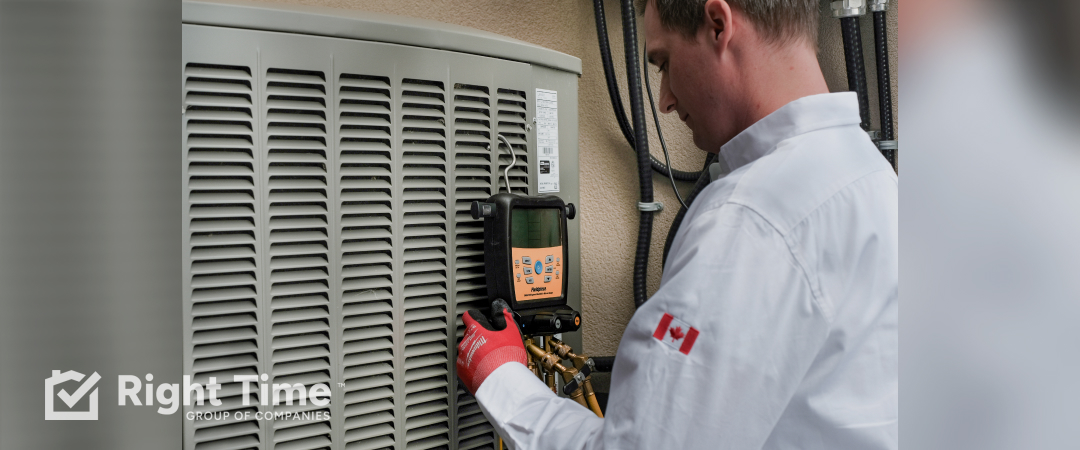
If symptoms persist, a technician can measure airflow and static pressure and safely inspect the indoor coil.
Could My AC Be the Wrong Size for My Home?
Yes. An oversized AC can cool the temperature quickly, then shut off before it runs long enough to pull moisture out. That can feel like “cool but sticky.” A pro can confirm sizing and performance with measurements before recommending changes.
What Thermostat Settings Can Make Humidity Worse?
Two common culprits are:
- Fan set to On (can reintroduce moisture after cooling stops).
- Large schedule swings that lead to short cycling.
A steadier setpoint and Auto fan often support longer, more effective dehumidification cycles. If you have a smart thermostat, note the average cycle length and how often it starts per hour. That helps HVAC service teams diagnose more quickly.
When Should I Suspect a Ventilation or Exhaust Fan Issue?
If humidity spikes after showers or cooking, or odours linger, ventilation can be part of the problem. Run bathroom fans during showers and for a period afterward; use the kitchen exhaust fan while cooking; and make sure exterior vent hoods are not visibly blocked.
If the home still feels stale, a technician can check for duct leakage or pressure issues that can pull in humid outdoor air.
What IAQ Upgrades Actually Help With Humidity and Stuffy Air?
Fix airflow and runtime first. Then consider IAQ upgrades that match your symptoms:
- Filtration upgrades can reduce dust and particles that make the air feel heavy.
- Humidifiers are mainly for winter dryness, not summer dehumidification.
- UV options are often chosen for air-quality support. If you’re considering a UV air purification system or shopping for UV air purifiers, ask where the unit will be installed, how it will operate with your system, and what maintenance it requires.
- If you prefer the full term, an ultraviolet air purifier is typically installed in the HVAC system to help keep the air cleaner as it moves through the equipment. Anchor also offers an ultraviolet air purification system option for Ottawa homeowners.
If you’re comparing providers and looking for the best HVAC service in Ottawa for this issue, look for a team that tests airflow and system performance before recommending add-ons.
What Can I Safely Do Myself, and What Should a Pro Handle?
Homeowner OK:
- Change filters, keep supply vents open, and clear return grilles.
- Use the Auto fan and review thermostat scheduling.
- Use exhaust fans to control moisture.
- Do a visual check of the outdoor unit for debris (power off).
Pro only:
- Electrical and control diagnostics
- Airflow and static pressure measurements
- Indoor coil cleaning if panels must be removed
- Refrigerant and sealed-system work
- Duct balancing or modifications
When Is It Time to Book Help?
If you’ve done the basics and your Ottawa home still feels humid or stuffy after a day of normal operation, it’s reasonable to book a diagnostic. Share what you’re noticing (cycle length, worst rooms, when humidity spikes, and recent filter changes). A service visit can confirm airflow and system performance and recommend targeted fixes or IAQ upgrades. If you are booking HVAC services in Ottawa, you can also ask about Maintenance Plans for ongoing seasonal support.